
Phone Number Insights: 3392109005, 3412367005, 3462142227, 3462147057, 3462149521, 3462149844

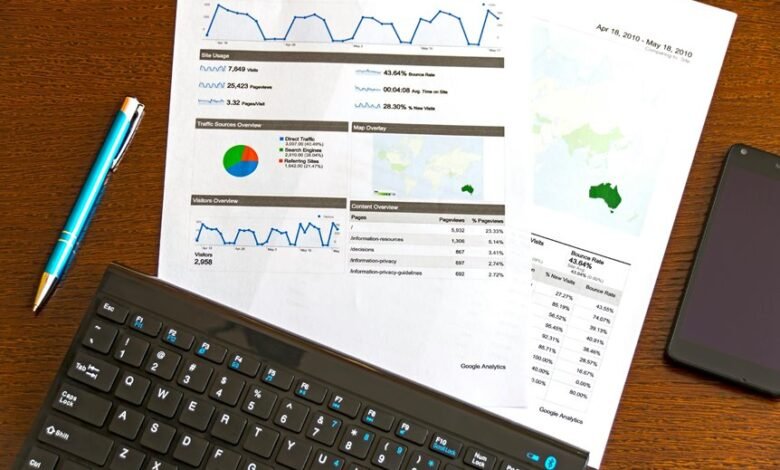
The examination of phone numbers such as 3392109005 and 3412367005 presents intriguing insights into communication behaviors. Similarly, the analysis of 3462142227, 3462147057, and 3462149521 reveals notable patterns. Each number carries implications regarding user engagement and potential spam risks. This analysis warrants further exploration into the underlying trends that shape these interactions, as well as their broader impact on communication dynamics.
Analyzing the First Set of Numbers: 3392109005 and 3412367005
When evaluating the first set of numbers, 3392109005 and 3412367005, it becomes evident that each sequence possesses distinct characteristics that merit further examination.
The number origin reveals different geographical allocations, influencing their call frequency patterns. Analyzing these aspects contributes to understanding their usage, potential reach, and the implications for communication preferences in a society that values the freedom of choice in contact methods.
Exploring the Second Set of Numbers: 3462142227, 3462147057, 3462149521
The second set of numbers, 3462142227, 3462147057, and 3462149521, presents a unique opportunity for analysis regarding their structural composition and potential implications.
Investigating their number origins reveals connections to specific regions and service providers.
Additionally, examining communication trends associated with these numbers may illuminate patterns in usage, helping to understand their significance in contemporary telecommunications and user behavior.
Identifying Patterns and Red Flags in Phone Number Communication
Identifying patterns and red flags in phone number communication involves a systematic analysis of call frequency, duration, and recipient engagement.
By examining communication trends, one can discern potential spam detection indicators, such as repeated calls from unfamiliar numbers or unusually long call durations without engagement.
Such insights empower users to maintain their freedom from intrusive communications and prioritize authentic connections.
Conclusion
In conclusion, the analysis of the specified phone numbers reveals distinct communication patterns and potential red flags. By examining call frequency and duration, users can better understand engagement levels and identify spam risks. Recognizing these trends not only enhances user awareness but also prioritizes authentic connections. Ultimately, fostering a secure communication environment hinges on the ability to discern between genuine interactions and potential threats, ensuring informed decisions in an increasingly complex digital landscape.